- sales.mechanizer@gmail.com
- +91 9909972221

AAC Block Manufacturing Plant
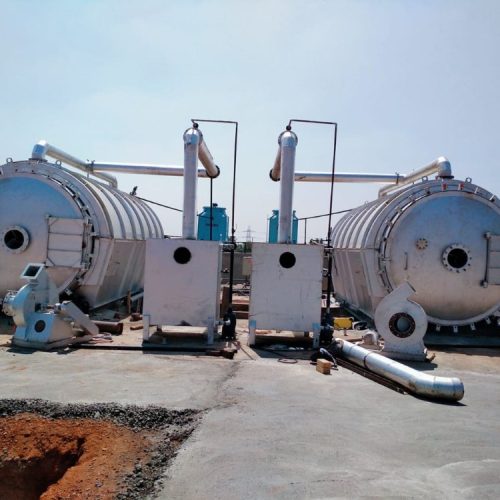
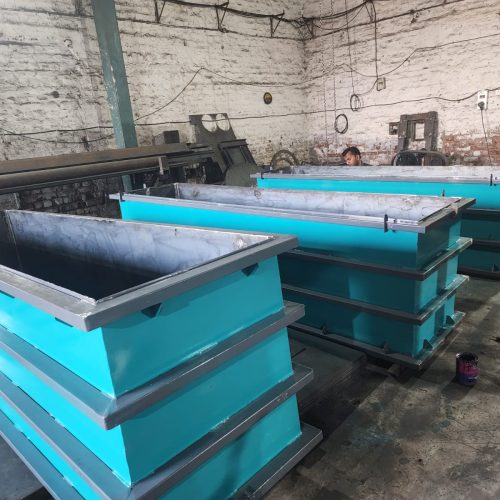
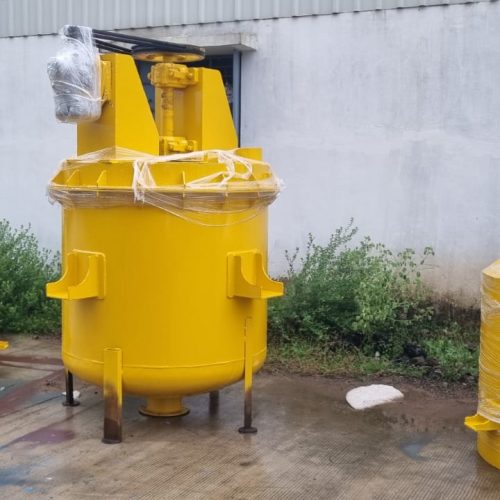
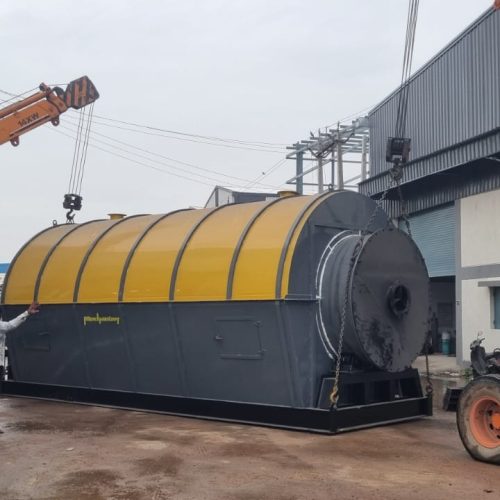
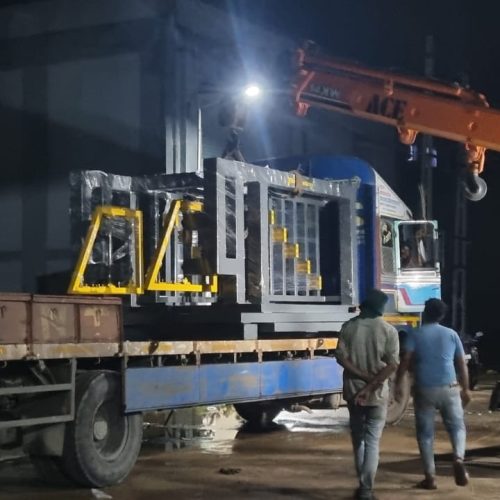
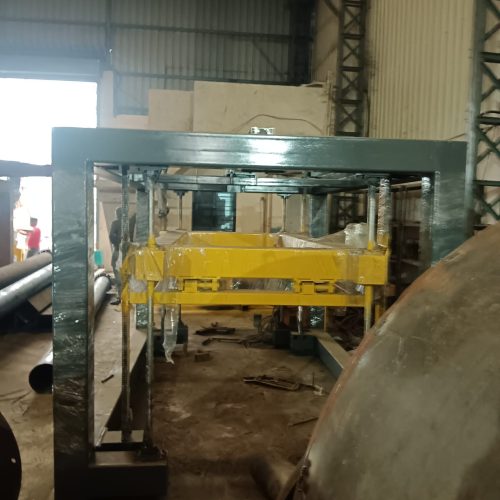
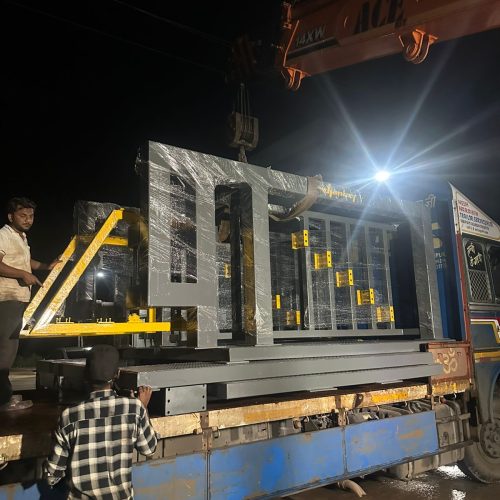
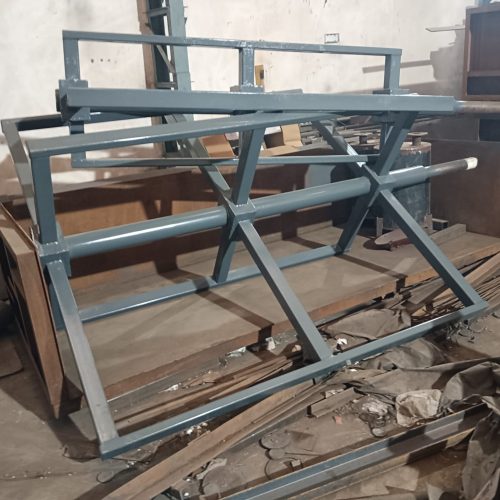
AAC (Autoclaved Aerated Concrete) was invented in the mid-1920s by the Swedish architect and inventor Johan Axel Eriksson. AAC is one of the major achievements of the 20th century in the field of construction. It is aightweight, precast building material that simultaneously provides structure, insulation, and fire and mold resistance. AAC Blocks is a unique and excellent type of building materials due to its superb heat, fire and sound resistance. AAC block is lightweight and offers ultimate workability, flexibility and durability. Main ingredients include fly ash, water, quicklime, cement, aluminum powder and gypsum. The block hardness is being achieved by cement strength, and instant curing mechanism by autoclaving. Gypsum acts as a long term strength gainer. The chemical reaction due to the aluminum paste provides AAC its distinct porous structure, lightness, and insulation properties, completely different compared to other lightweight concrete materials. The finished product is a 2.5 times lighter Block compared to conventional Bricks, while providing the similar strengths.
ADVANTAGES:
The advantages are as follows:
1. Consumes Fly ash, which is a big problem for thermal power plants to dispose. Itis environment friendly, because of no need ofburning.
2. Higher strength, best thermal insulation & excellent sound absorption, vibration resistance compared to red bricks. The AAC product’s lightweight and easy workability means that is very quick to install on
site and transportation with lesser breakage.
3. AAC blocks made walls can be left exposed (without Plaster) and gains strength over time. It saves structural cost by 35% and recycling of breakage, rejectsalso.
4. AAC products are not affected by harsh climatic conditions and will notdegrade under normal atmosphericconditions.
5. AAC Block does not have any toxic substances nor does it emit odors. Its production, management and disposal do not represent any health risks or damage to the environment. Its production process develops non-toxicgases.
6. AAC blocks are bigger in size then conventional bricks, resulting in lesser number of joints. Less joints result in lesser quantity of mortar required,
resulting insaving ofmortar.
BRIEF PRODUCTION PROCESS:
1. COAL FLYASH:
BRIEF PRODUCTION PROCESS:
The coal fly ash will be sent to the slurry preparing pond by wheel loader to be prepared required concentration coal fly ash slurry by add rated water, which will be pumped into slurry tank to be stored and ready to be used.
2. QUICKLIME:
The powder will be sent into the lime powder silo for storage and ready to be used by bucket elevator, after coming into the factory.
3. GYPSUM:
The gypsum in the storage shed will be added into slurry pond according to the required proportion, while preparing slurry.
4. CEMENT:
The cement will be transported into factory by tank truck and directly ispumped into cement silo to beused.
5. ALUMINUM POWDERPAST:
The purchased aluminum powder past in the bucket or bag will be stored in its storehouse, When being used, it will be lifted to second floor of the batching building, then measured and added into aluminum mixer to prepare 5% suspending liquid to be used.
6. SCRAPE AND WASTESLURRY:
The cleaning waste water under the casting machine will be pumped to ball mill to be used as grinding water. The scrape from the cutting machine will be prepared to slurry and pumped into waste slurry tank to beused.
7. BATCHING, MIXING,CASTING:
Coal fly ash will be sent to electronic scale in the batching building by pump at the bottom slurry tank to be measured. When the slurry concentration arrives at batching requirement, the control system will turn off the pump
to stop pump slurry. The measured the slurry will be directly discharged into casting mixer.
Lime and cement will be sent to electronic scale in the batching building by single screw conveyer at the bottom of their silos. When measuring arrives at the required quantity, they will be sent to casting mixer by screw conveyer.
Aluminum powder will be measured by manual, and added into aluminum mixer to be prepared suspending liquid one by one for each mould. The finished suspending liquid can be directly added into the casting mixer.
The slurry temperature should be arrived at required process temperature before casting. And mould will be moved to the bottom of the casting
Established in the year of 2023, We “Mechanizer Engineering And Technology” are a Manufacturer of Ribbon Blender, Sigma Mixer, Double Cone Blender, Stainless Steel Storage, Rotary Dryers, Aac Plant, etc.
Company
Social Links
Connect With Us
- +91 9909972221
- +91 9737011189
- +91 9737011196
- sales.mechanizer@gmail.com
- Plot No. 8, JK Industrial Park, Vanch Dhamatvan Road, Dhamatvan, TA - Daskroi, Ahmedabad-382433, Gujarat